

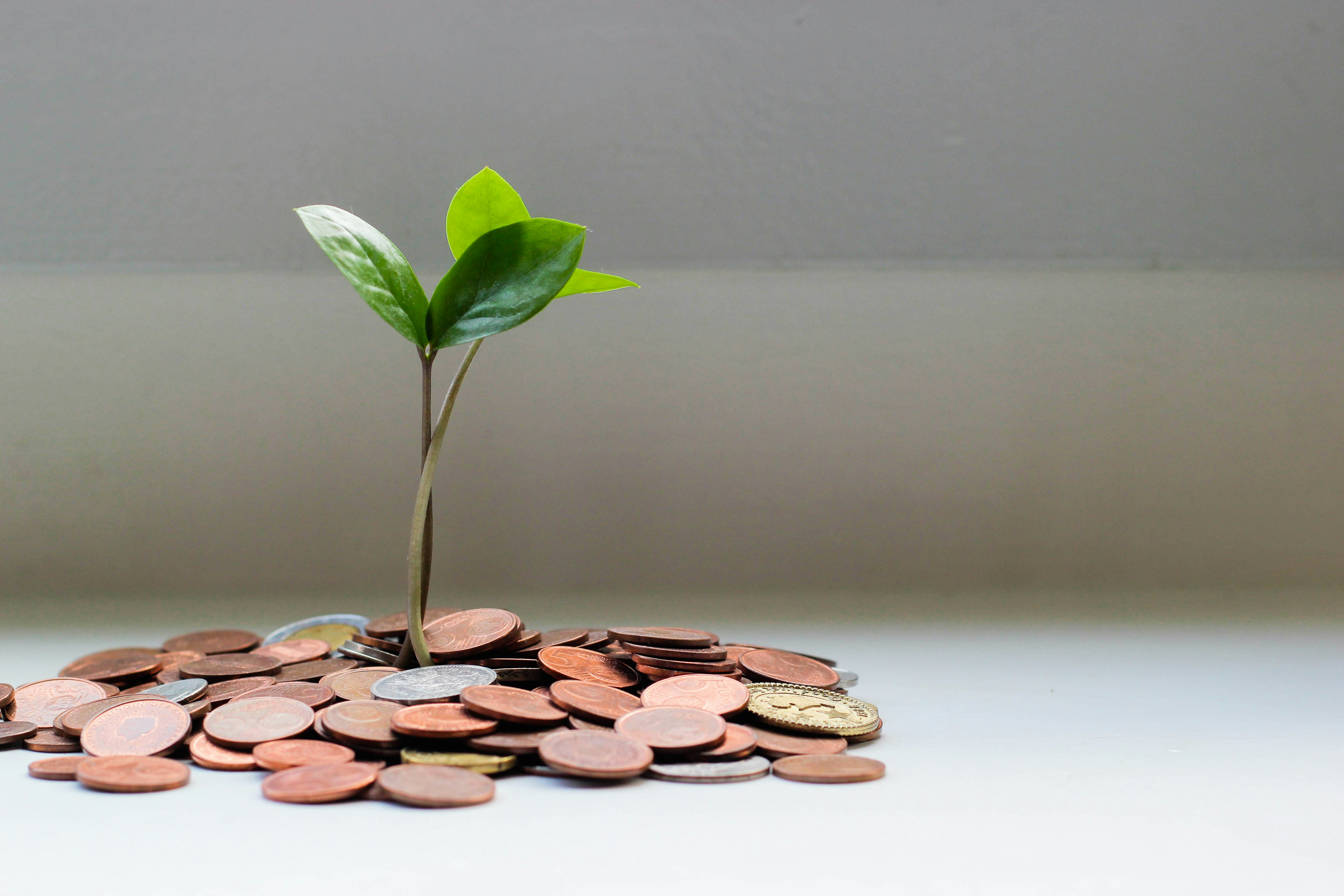
How Inflation Affects Your Money Over Time
Inflation is one of the most important—and often overlooked—forces that affects your money. While your bank balance might stay the same or even grow over time, inflation quietly reduces what that money can actually buy.
In simple terms, inflation means that prices increase over time. As the cost of goods and services rises, each pound you have buys a little bit less than it did before. This gradual shift can have a significant impact on your savings, spending power, and long-term financial plans.
At first, the effects might seem small. A slight increase in grocery bills or fuel costs might not feel like a big deal. But over years—or even decades—those increases compound, and the difference becomes much more noticeable.
What Is Inflation, Really?
Inflation measures how quickly prices are rising across the economy. It’s typically expressed as a percentage. For example, if inflation is 3% per year, something that costs £100 today could cost £103 next year.
This doesn’t just apply to one product—it affects nearly everything: food, housing, transportation, and even services like haircuts or repairs.
While some level of inflation is normal and expected in a healthy economy, higher inflation can reduce purchasing power more quickly than people anticipate.
The Impact on Your Purchasing Power
The biggest effect of inflation is the erosion of purchasing power. This means your money becomes less valuable over time.
For example, if you keep £1,000 in cash for several years while inflation continues to rise, that £1,000 will buy less in the future than it does today.
- £100 today might only buy £90 worth of goods in a few years
- Savings that aren’t growing may effectively lose value
- Everyday expenses slowly take up more of your income
This is why simply saving money isn’t always enough—you also need to consider how inflation affects its real value.
How Inflation Affects Your Savings
If your money is sitting in a low-interest savings account, inflation can quietly eat away at its value.
For instance, if your savings account earns 1% interest but inflation is 3%, your money is effectively losing 2% of its value each year in real terms.
Over time, this gap can become significant. What feels like “safe” saving might actually be costing you purchasing power.
This is why many people look for ways to grow their money at a rate that at least keeps up with inflation.
The Effect on Income and Wages
Inflation doesn’t just affect your savings—it also impacts your income. If your wages don’t increase at the same pace as inflation, your real income decreases.
Even if you receive a pay rise, it may not always be enough to keep up with rising costs. For example:
- A 2% salary increase with 4% inflation means you’re effectively earning less
- Higher living costs reduce your disposable income
- Budgeting becomes more challenging over time
This is why understanding inflation is essential when evaluating job offers, salary increases, or long-term career decisions.
Inflation and Debt: A Double-Edged Sword
Interestingly, inflation can have both positive and negative effects when it comes to debt.
On one hand, inflation can reduce the real value of what you owe. If you have a fixed-rate loan, you’re repaying it with money that is worth less over time.
On the other hand, inflation often leads to higher interest rates, which can make borrowing more expensive in the future.
This means timing and loan structure matter. Fixed-rate debt can become more manageable during inflation, while variable-rate debt may become more costly.
Why Time Magnifies the Effect
Inflation might seem slow, but its impact compounds over time. The longer your money sits without growing, the more purchasing power you lose.
For example, over 10–20 years, even modest inflation can significantly reduce what your money is worth. This is especially important when planning for long-term goals like buying a home, saving for retirement, or building an emergency fund.
Time amplifies everything—both growth and loss. That’s why understanding inflation early can make a huge difference later.
How to Protect Your Money from Inflation
While you can’t control inflation, you can take steps to reduce its impact on your finances.
- Look for savings options with higher interest rates
- Invest in assets that have the potential to outpace inflation
- Review your budget regularly to adjust for rising costs
- Avoid holding large amounts of cash long-term
The goal isn’t just to save money—it’s to ensure your money maintains or grows its real value over time.
The Importance of Staying Aware
Inflation doesn’t happen overnight, which is why it’s easy to ignore. But small, consistent increases in prices can lead to big changes in your financial situation if left unchecked.
By staying aware of inflation and adjusting your financial strategy accordingly, you can make smarter decisions about saving, spending, and investing.
It’s not about reacting to every price change—it’s about understanding the bigger picture.
Why This Knowledge Matters
Once you understand how inflation works, you start to see money differently. It’s not just about how much you have—it’s about what it can do for you over time.
Planning with inflation in mind helps you protect your future, make better financial choices, and avoid surprises down the line.
Your money doesn’t just sit still—and neither does its value.
The sooner you account for inflation, the more control you have over your financial future.