
When Leasing Makes More Sense
When it comes to getting a car, equipment, or even property, most people immediately think about buying. Ownership often feels like the smarter long-term move. But in many situations, leasing can actually be the more practical—and sometimes more affordable—option.
Leasing isn’t just for businesses or luxury vehicles. It can be a strategic financial decision that gives you flexibility, lower upfront costs, and access to better assets than you might otherwise afford. The key is understanding when leasing works in your favor and when it doesn’t.
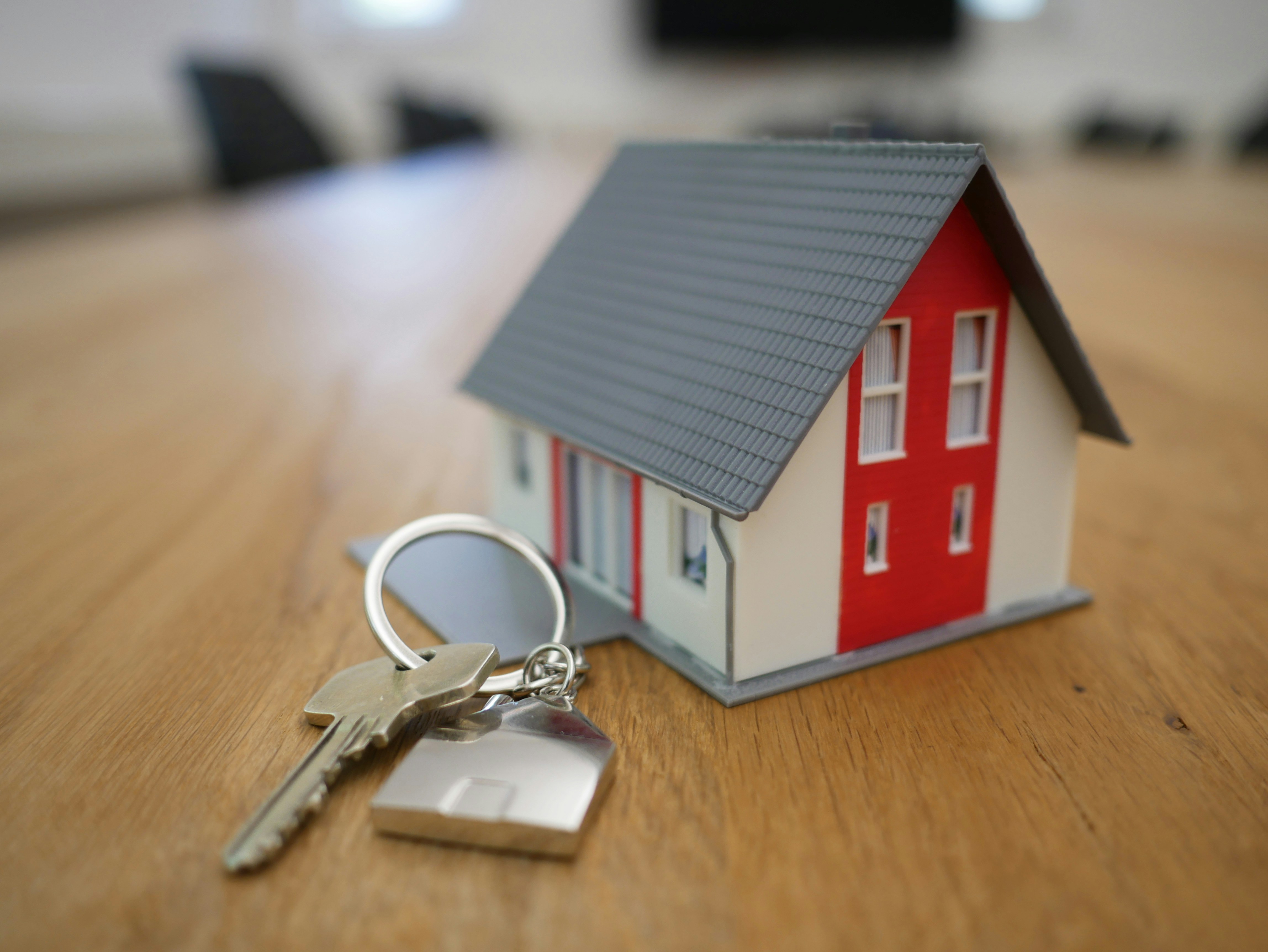
Before deciding, it’s important to look beyond the monthly payment and consider your lifestyle, financial goals, and how long you actually plan to use what you are paying for.
What Does Leasing Really Mean?
Leasing is essentially a long-term rental. Instead of paying to own something outright, you pay to use it for a set period of time. At the end of the lease, you typically return the item, renew the lease, or sometimes have the option to buy it.
Your payments cover depreciation (the loss in value over time), plus interest and fees. Because you’re not paying for full ownership, monthly payments are often lower compared to financing a purchase.
- No ownership: You don’t build equity in the asset
- Lower upfront cost: Smaller deposit or none at all
- Fixed term: Agreements usually last 2–5 years
This structure can be ideal depending on how you plan to use the asset.
When Leasing a Car Makes More Sense
Leasing is especially popular in the automotive world, and for good reason. Cars depreciate quickly, and leasing allows you to avoid the long-term impact of that depreciation.
Leasing may be the better option if:
- You like driving a new car every few years
- You want lower monthly payments
- You don’t want to deal with selling a used car later
- You drive a predictable number of miles each year
Newer leased cars are often under warranty, which means fewer unexpected repair costs. This adds an extra layer of financial predictability.
However, mileage limits and wear-and-tear rules mean leasing works best if your usage is consistent and controlled.
Leasing for Businesses and Equipment
For businesses, leasing equipment can be a smart way to preserve cash flow. Instead of making a large upfront purchase, companies can spread costs over time and keep capital available for other investments.
This is particularly useful in industries where technology evolves quickly. Leasing allows businesses to upgrade regularly without being stuck with outdated equipment.
- Avoid large upfront costs
- Keep technology up to date
- Potential tax advantages (depending on jurisdiction)
In many cases, the flexibility leasing provides can outweigh the benefits of ownership.
The Advantage of Lower Monthly Payments
One of the biggest reasons people choose leasing is affordability. Monthly payments are typically lower than loan repayments for the same asset.
This can free up cash for other financial priorities, such as saving, investing, or managing everyday expenses.
But there’s a trade-off. While payments are lower, you’re not building any ownership. At the end of the lease, you walk away without an asset—unless you choose to buy it.
This is why leasing works best when flexibility and short-term affordability matter more than long-term value.
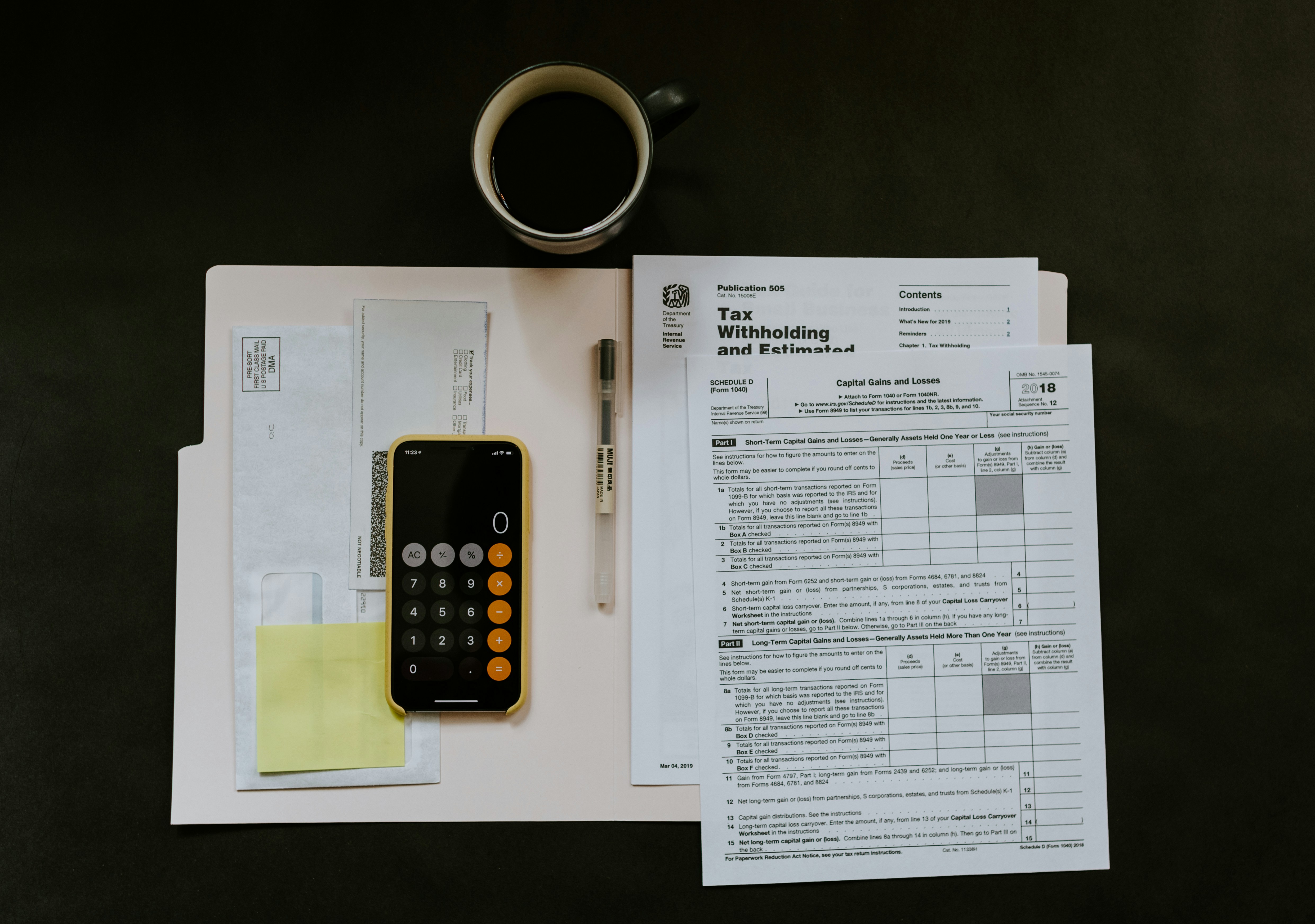
When Leasing Can Save You Money
Leasing can actually be cheaper overall in certain situations—especially when depreciation is high or when you don’t plan to keep the asset long-term.
For example, buying a new car and selling it after three years often results in a significant loss due to depreciation. Leasing allows you to avoid that loss entirely.
Similarly, if you only need equipment for a specific project or time frame, leasing prevents you from paying for something you won’t use long-term.
The Downsides You Should Consider
Leasing isn’t always the better option. There are important limitations to keep in mind:
- No ownership at the end (unless you pay extra)
- Possible penalties for early termination
- Mileage or usage restrictions
- Ongoing payments if you keep leasing continuously
If your goal is long-term value or you plan to keep something for many years, buying is often the smarter financial move.
Leasing vs Buying: It’s About Your Situation
There’s no universal “better” option—only what works best for your needs. Leasing is ideal for flexibility, lower upfront costs, and short-term use. Buying is better for long-term ownership and building value.
Ask yourself:
- How long will I realistically use this?
- Do I value flexibility over ownership?
- Can I benefit from lower monthly payments right now?
Your answers will make the right choice much clearer.
Why Understanding Leasing Gives You an Edge
Many people dismiss leasing without fully understanding it. But when used strategically, it can be a powerful financial tool.
It allows you to manage cash flow, reduce short-term costs, and stay adaptable—especially in situations where your needs may change.
Instead of focusing only on ownership, consider the bigger picture: how your money is being used, and what gives you the most value over time.
Use This Calculator to Compare Your Options
Use the calculator below to compare leasing versus buying. Adjust the cost, term length, and monthly payments to see which option works best for your situation.
Try different scenarios—you may find that leasing gives you more flexibility than you expected, or that buying saves you more in the long run.
The smartest financial decisions come from understanding all your options—not just the obvious ones.