



Pension Planning for Beginners: Start Building Your Future Today
Thinking about retirement might feel like something you can put off until later in life—but when it comes to pensions, starting early is one of the most powerful financial decisions you can make. The sooner you begin, the more time your money has to grow, and the less pressure you’ll feel later on.

Pension planning doesn’t have to be complicated. At its core, it’s about setting aside money now so you can maintain your lifestyle when you stop working. Whether you’re just starting your career or you’ve been working for a few years, understanding how pensions work will give you a major advantage.
What Is a Pension?
A pension is a long-term savings plan designed to provide you with income in retirement. You contribute money regularly, and that money is invested so it can grow over time.
There are a few common types of pensions you might come across:
- Workplace pensions: Set up by your employer, often with contributions from both you and your employer
- Personal pensions: Plans you set up yourself independently
- State pension: A government-provided income based on your national insurance contributions
For most people, retirement income comes from a combination of these sources.
Why Starting Early Makes a Huge Difference
Time is the most important factor in pension planning. The earlier you start, the more you benefit from compound growth—where your investment returns begin generating their own returns.
Even small contributions made early can grow into significant amounts over decades. On the other hand, delaying your pension contributions often means you’ll need to contribute much more later to achieve the same result.
This is why many financial experts recommend starting your pension as soon as you begin earning, even if you can only afford a modest amount at first.
How Much Should You Contribute?
There’s no one-size-fits-all answer, but a common guideline is to contribute a percentage of your income consistently. Many workplace pensions automatically enroll you and set a minimum contribution level, but increasing your contributions—even slightly—can make a big difference over time.
For example, increasing your contribution by just 1–2% of your salary may not feel like much now, but over 20–30 years, it can add thousands to your retirement fund.
If your employer offers to match your contributions, it’s usually a good idea to contribute enough to get the full match—otherwise, you’re effectively leaving free money on the table.
Understanding Investment Risk
Pension funds are typically invested in a mix of assets such as stocks, bonds, and other investments. While this means your pension value can go up and down in the short term, it also gives your money the potential to grow significantly over the long term.
When you’re younger, your pension is usually invested more aggressively because you have time to ride out market fluctuations. As you approach retirement, investments often shift to lower-risk options to protect your savings.
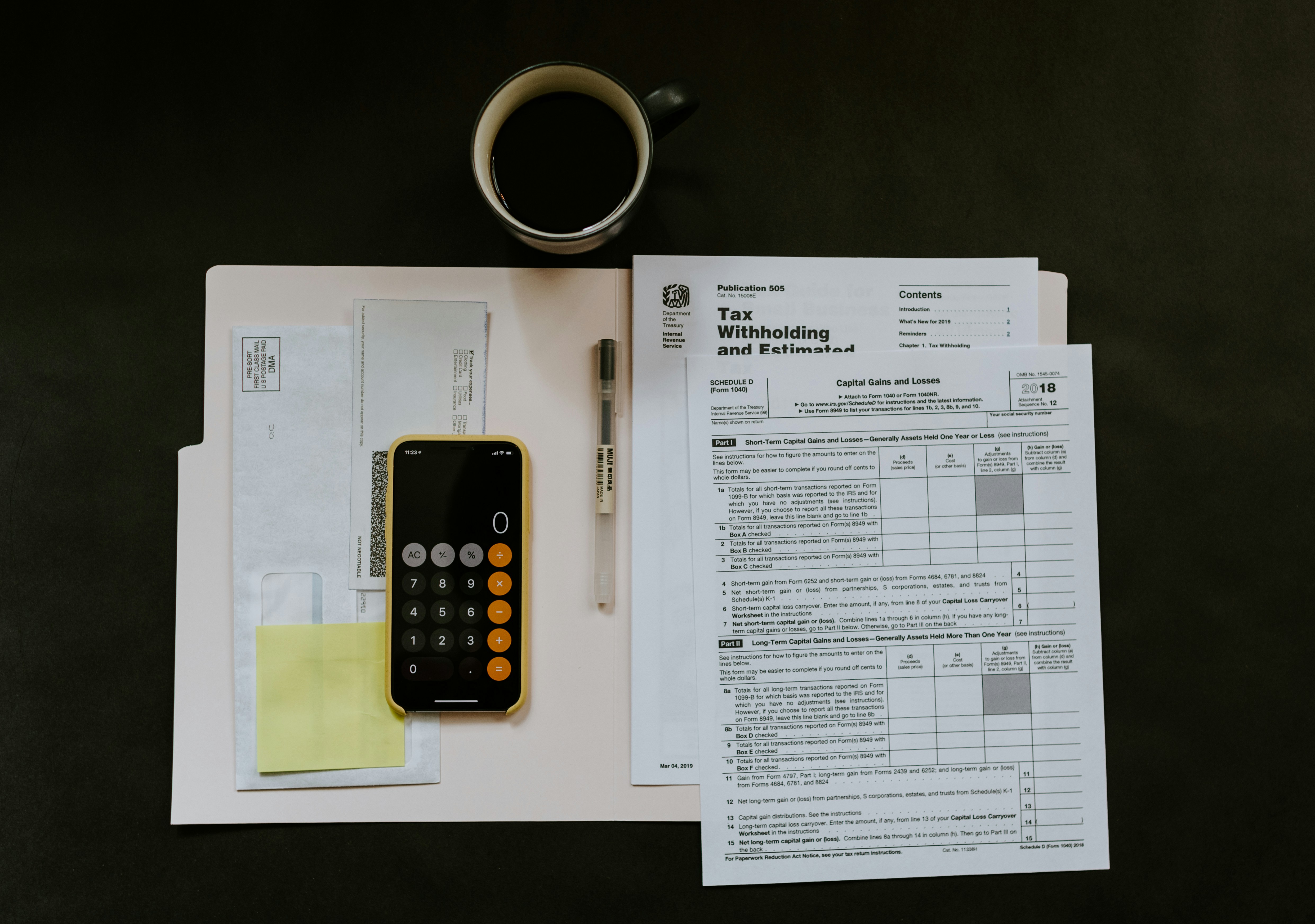
Understanding your risk level and investment strategy helps you stay confident, even when markets fluctuate.
The Impact of Fees and Charges
All pension plans come with some level of fees, whether it’s for managing investments or maintaining the account. While these fees might seem small, they can have a noticeable impact over time.
Lower fees generally mean more of your money stays invested and working for you. It’s worth checking what you’re paying and comparing options if you have multiple pension plans.
Keeping Track of Your Pension
As your career progresses, you might change jobs and end up with multiple pension pots. Keeping track of them is important so you understand your total retirement savings.
Some people choose to consolidate their pensions into one account to make management easier, but it’s important to check for any fees or benefits you might lose before doing so.
Simple Ways to Boost Your Pension
If you want to improve your pension outlook, there are several simple steps you can take:
- Increase your contributions whenever you get a pay rise
- Make occasional lump-sum contributions if possible
- Review your investment strategy periodically
- Avoid withdrawing from your pension early unless absolutely necessary
Small, consistent improvements can lead to substantial long-term gains.
Common Mistakes to Avoid
Many beginners make the mistake of ignoring their pension altogether, assuming it will take care of itself. Others contribute the minimum without considering whether it will be enough for their future needs.
Another common issue is being overly cautious with investments too early, which can limit growth potential. Finding the right balance between risk and reward is key.
Finally, forgetting to review your pension regularly can lead to missed opportunities to improve your savings.
Why Pension Planning Is Worth It
Pension planning isn’t just about money—it’s about freedom and security later in life. The more prepared you are, the more choices you’ll have when it comes to when and how you retire.
By starting early, contributing consistently, and making informed decisions, you can build a pension that supports your goals and gives you peace of mind.
Use This Calculator to Plan Ahead
Use the calculator below to estimate how your pension could grow over time. Adjust your contributions, time horizon, and expected returns to see how small changes today can impact your future.
Try increasing your monthly contribution slightly—you may be surprised at how much difference it makes over the long term.
The best time to start planning your pension was yesterday. The next best time is today.